








Company reviews are a commercial asset, but their impact is limited when collection is focused on one platform.
Buyers don't verify brands in one place. Research shows 61% of consumers use third-party review sites like Trustpilot, compared with 26% who rely on reviews on a seller's own website.
They also search Google, scan social channels, and increasingly rely on AI tools that interpret trust signals across the web. If those signals look thin or inconsistent, one strong review profile may not be enough.
For brands selling online, making recent customer proof visible across key touchpoints is a core part of ecommerce reputation management.
A review distribution strategy gives that work direction - deciding which public profiles need stronger proof, and sending company review activity there with purpose.
Review distribution decides where company review activity should go, based on which public profiles need stronger proof. That could be your own site, your Google profile, or third-party review platforms like Trustpilot or Trusted Shops, depending on your market and customer base.
It means looking beyond the question "Are we collecting reviews?" and asking a more specific one:
“Are the right reviews visible in the places buyers use to verify us?”
The goal isn’t to make every profile look identical. It’s to improve public review profile credibility where it matters most - making sure key profiles have enough recent activity, visible responses, and genuine customer proof to support trust.
Without that direction, collection can still leave the wrong profiles under-supported. You may have plenty of customer proof, but not where it carries the most commercial weight.
Collection gets feedback into the business. Distribution makes sure company-level proof supports the public reputation buyers actually see.
Your public reputation becomes uneven and left to chance. If a potential customer lands on a profile with a low rating and a host of unacknowledged complaints, that version of your brand can shape the buying decision before they see stronger proof elsewhere.
The problem is not usually a bad reputation. It’s that happy customers simply haven’t been asked to leave proof on the profiles where your reputation needs it most.
If several profiles show sustained rating decline, visible criticism, or long-term neglect, the work moves closer to online reputation recovery.
For most ecommerce brands, though, the fix is more targeted: identify which profiles are under-supported and direct more company review activity there.
A healthy review distribution footprint doesn’t mean sending the same number of reviews to every platform. It means using a planned distribution mix, so each important profile gets the level of review activity it needs to support trust.
The split should be shaped by three things:
That mix shouldn’t stay fixed forever. A profile that’s already strong may only need a maintenance flow, while an under-supported profile may need a higher share of review requests until it catches up.
Distribution isn't a one-off decision. Teams need to see where public proof is thin, send review requests with a purpose, and keep profiles actively managed over time.
REVIEWS.io connects those steps in one workflow.
REVIEWS.io Reputation Manager brings connected public review profiles into one view, including rating trends, recent activity, and response status.
Instead of checking each platform manually, teams can see where proof is thin, where activity has slowed, and where reviews still need attention.
Review Invite Flows lets you automate post-purchase review requests and control how invitations are split across platforms.
That means you can keep review collection running in the background while adjusting the distribution mix when a profile needs more attention.
REVIEWS.io Review Booster helps brands contact eligible past customers who completed a purchase but were never asked for a company review.
For brands with years of trading history but limited public proof, that can help close the gap faster than waiting for new orders alone.
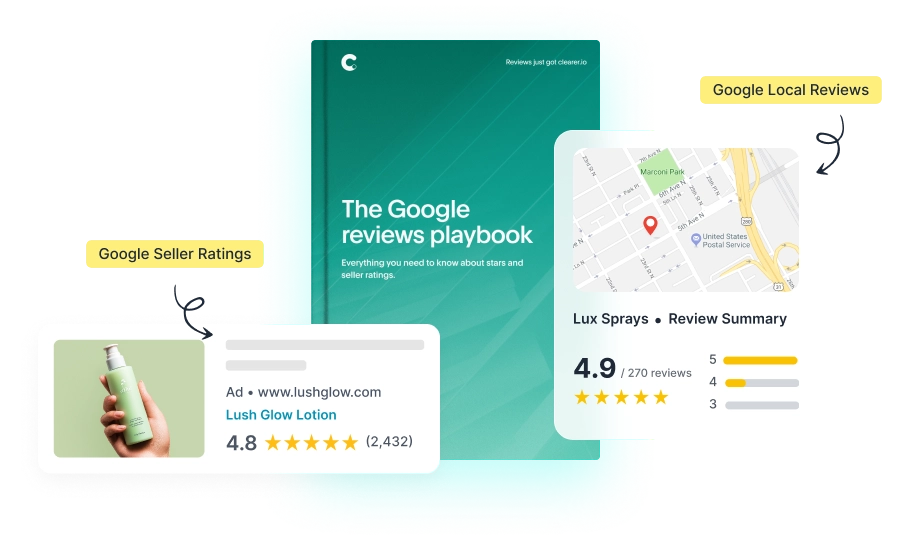
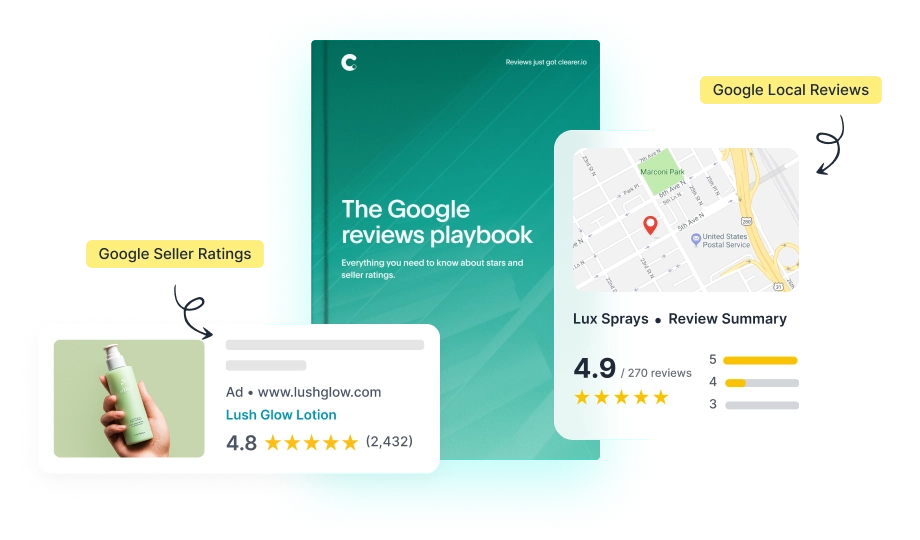
As a Google Licensed Review Partner, REVIEWS.io sends verified company reviews toward Google Seller Ratings eligibility where requirements are met.
This matters when Google-facing trust plays a role in paid search, Shopping activity, or pre-click confidence.
More review activity only helps if public feedback looks managed.
REVIEWS.io supports review response management workflows by helping teams monitor feedback, prioritize replies, use AI to draft responses, and keep public review activity managed as distribution grows.
Focus on the platforms buyers use to verify your brand before purchasing. For many ecommerce brands, that includes Google, Trustpilot, your own site, and any category-specific platforms that influence comparison or trust.
Platform concentration risk happens when too much of your company review proof sits on one platform while other public profiles look thin, stale, or unmanaged. It makes your brand harder to verify across the multiple surfaces buyers actually use.
By routing post-purchase review requests toward the profiles that need stronger proof, rather than sending every customer to the same place. Identify which public profiles have the biggest trust gaps, then weight your distribution accordingly.
Review distribution is brand-level. It routes company reviews to public profiles like Google, Trustpilot, or Trusted Shops. Product review syndication is product-level. It sends item ratings and reviews to shopping channels, retail listings, and other places products are discovered.


.png)
.png)
