

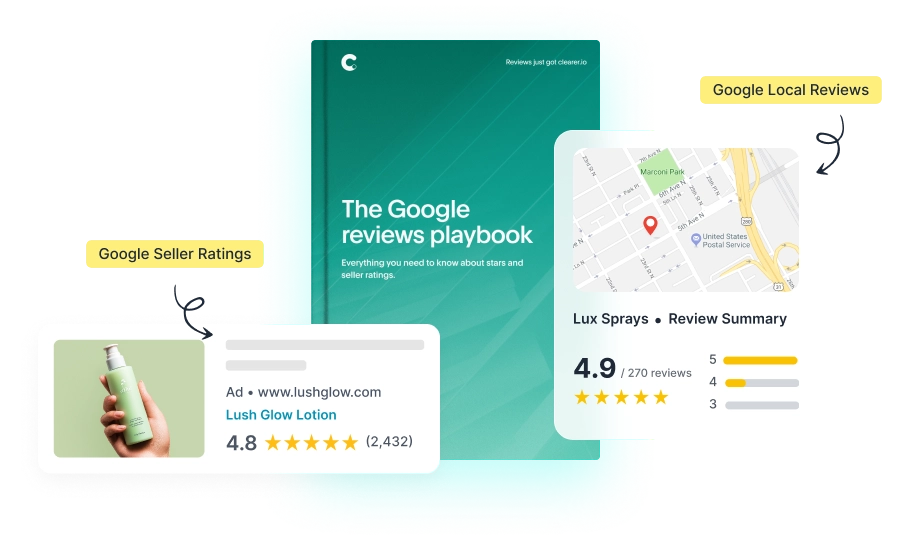
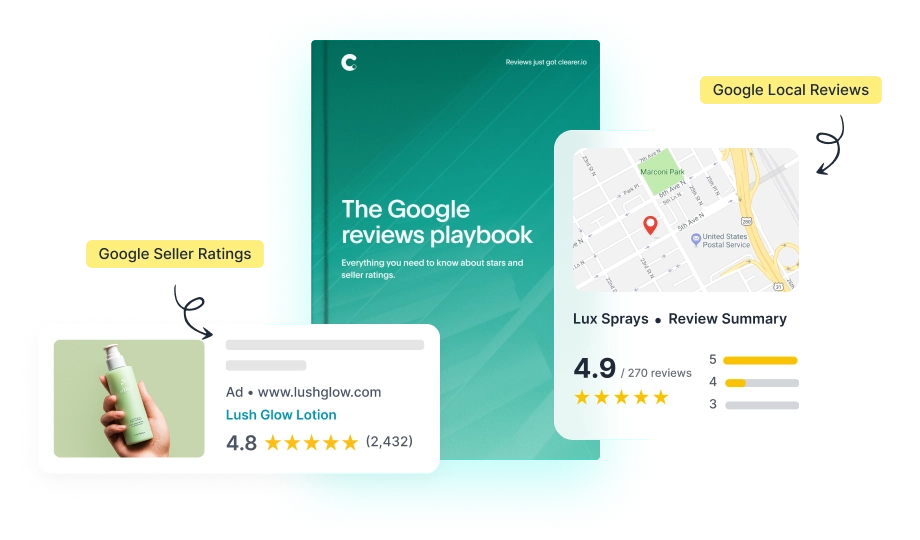







A customer has found your brand. They've clicked your ad, discovered you through search, or they're comparing you with a competitor.
Now they want reassurance.
They look at your public review profile and see a strong star rating. But a high score alone doesn't always answer the question they're really asking:
Can I trust this business?
The strongest public review profiles do more than display positive feedback. They give buyers confidence that what they're seeing reflects a reliable, credible business.
A public review profile is one of the most visible signals of brand reputation. And it's often the final piece of evidence a buyer checks before deciding whether to choose your business.
Public review profile credibility describes how much confidence those profiles create.
It's not simply about having a high rating. It's about whether the information surrounding that rating gives buyers enough confidence to believe it’s an accurate representation.
Public review profiles exist wherever potential customers can evaluate your company. Depending on your industry, these may include:
Together, these profiles shape how your brand is perceived online. A customer may only visit one or two of them, but the impression they create contributes to your wider reputation.
Buyers are used to seeing review scores everywhere. That’s made them quicker at judging reviews, but harder to impress.
They know a rating can look strong while the profile behind it feels thin. Reviews might be old, vague, copied from somewhere else, or overly incentivized.
Then there’s growing awareness of the rise of fake and AI-generated reviews. Buyers may not know exactly how every review was created, but they know enough to question feedback that feels too generic, too polished, or too disconnected from a real interaction.
That changes the role of your public review profile.
It can’t just display positive feedback. It needs to help buyers believe your reputation reflects the company they’ll actually deal with.
Public review profile credibility is not determined by a single factor. It's built from multiple signals that help buyers decide whether a brand's reputation can be trusted.
Every credibility signal answers a question customers naturally ask before they place their confidence in a business.
A strong rating carries more weight when it's supported by a meaningful amount of customer feedback.
Review volume helps buyers understand whether a rating reflects a broad pattern of interactions with your business or the opinions of only a small number of customers. There's no universal number of reviews that creates trust, but very low review volume can make a brand appear less established than it really is.
An excellent reputation from years ago doesn't always reassure customers today.
Businesses evolve, teams change, and customer expectations shift. Recent reviews show that your company continues to deliver the standards your reputation promises. Long gaps between reviews can make even a highly rated profile feel inactive.
How your business responds to public feedback reveals how seriously you take customer concerns.
Customers don't expect a perfect reputation. In fact, a small amount of criticism can make a profile feel more authentic. What matters is whether your company acknowledges issues, responds professionally, and shows that it values customer feedback.
Not all positive reviews create the same level of confidence.
Specific feedback about communication, service quality, reliability, and the overall relationship with your company gives future customers a clearer picture of what they can expect. Generic praise provides far less reassurance.
A perfect rating is not always the most convincing rating.
Most buyers understand that no company delivers a flawless experience every time. A natural balance of positive and negative feedback often appears more credible than a profile where every review is overwhelmingly positive.
The real concern is not the existence of criticism, but patterns. Repeated complaints about the same issue can reveal reputation challenges that need attention.
As fake reviews and AI-generated content become more common, proof of authenticity has become increasingly important.
Review verification signals show that feedback is connected to genuine customer interactions rather than anonymous or manipulated. Even if customers don't understand how verification works, visible signs that reviews are legitimate increase confidence.
No single credibility signal determines whether a public review profile is trustworthy. A profile with thousands of reviews may still create doubt if those reviews are years old or if negative feedback goes unanswered. Equally, a smaller profile with recent, detailed, verified reviews can create more confidence than volume alone.
The strongest public review profiles maintain a healthy balance across all six credibility signals.
A high rating may capture attention, but it doesn't automatically create confidence. Buyers look beyond the score to understand whether a brand's public reputation is current, authentic, representative, and actively managed.
REVIEWS.io helps you monitor and strengthen public review profile credibility across all your profiles through Reputation Manager, giving you visibility into review activity, unanswered feedback, and the signals that influence buyer trust.
Trust weakens when the rating feels stronger than the evidence behind it. Limited reviews, old feedback, vague comments, missing verification signals, or an inactive-looking profile can all make buyers hesitate.
There’s no universal best rating, but a high, believable score often sits around 4.5 to 4.9. A 5.0 can look impressive, but a 4.7 or 4.8 with recent, detailed, verified feedback may feel more credible. The goal is a strong rating buyers have enough evidence to trust.
Check your most visible public review profiles regularly, not just when your rating changes. For active brands, monthly is a useful starting point, especially after busy sales periods or campaigns.
Yes. Your average rating can stay stable while the profile around it becomes less convincing. That can happen when review activity slows, feedback becomes outdated, or competitors build stronger public profiles.


.png)
