Manage & Collect
What Reviews To Collect & Where To Place Them On Your Site (For Maximum Impact)
June 29, 2022
•
3 min read

Manage & Collect
How To Create A Customer Review Strategy That Works For Your Business
November 25, 2024
•
3 min read










Most merchants experience the same reaction when a negative review comes in - a moment of worry, followed by frustration or confusion.
It’s a natural response. But once that initial feeling passes, negative reviews often contain the kind of insight that’s difficult to get anywhere else.
They give you a clearer picture of how your business feels from the customer’s side.
When you look at it this way, negative reviews don’t just point out what went wrong. They reveal where the biggest opportunities sit to build a great customer experience.
Negative reviews are rarely just about a bad product. Most are driven by issues around delivery, service, or how problems are handled.
This makes them a useful source of insight for preventing negative reviews in the future.
We analyzed data from multiple ecommerce review studies and consumer surveys* to understand the most common triggers behind negative feedback.
Late deliveries, missing parcels, damaged items, or poor delivery updates.
This is the single biggest driver of negative reviews in ecommerce. Customers expect fast delivery, but more importantly, they expect clear updates when something goes wrong.
Slow responses, no response, unclear answers, or feeling ignored.
Many negative reviews happen not because of the original issue, but because the customer felt unsupported when they tried to resolve it.
Faulty items, damage, products not working as expected, or low build quality.
This includes genuine defects as well as products that don’t match expectations set by images or descriptions.
Delayed refunds, complicated returns, unclear policies, or unexpected deductions.
Customers are especially sensitive here. If money is involved and communication is poor, reviews tend to turn negative quickly.
Concerns about authenticity, incorrect items, pricing surprises, or feeling deceived.
These reviews often use strong language, even if the underlying issue could have been resolved with clearer information upfront.
Last Mile Delivery What consumers want in 2023 and how retailers can take control
Yes, negative reviews can benefit your business (provided they’re a small proportion of your overall feedback).
The assumption they cause irreparable harm is one of the common myths that stop brands collecting reviews.
But in fact, they can have the opposite effect. By showing you exactly where your experience falls short, they give you clear, actionable ways to improve.
Negative reviews often shine a light on issues you’d never see from the inside.
Maybe deliveries are slower in certain regions. Maybe packaging isn’t holding up. These aren’t things a dashboard always catches - but customers will.
When the same problems crop up again and again, it’s a clear signal something behind the scenes needs attention. And once you know, you can fix it.
When customers leave negative reviews, they’re often talking about the service just as much as the product. Slow responses, unclear updates, or an unhelpful tone can make a small issue feel much bigger.
When negative reviews mention these moments, they reveal the parts of your support process that aren’t landing quite right.
It’s valuable insight, because improving service is a key part of an effective customer retention strategy.
Sometimes negative reviews point to genuine product issues: a clasp that breaks easily, a zip that sticks, a fabric that pills after a few wears.
When you start seeing the same comments, it’s a sign your product team should take a closer look.
These insights give real direction - not guesswork - and they help you prioritize changes that make the product better for everyone.
Not every negative review means something is wrong. Often, customers simply expected something different.
Maybe the colour looks slightly warmer in real life. Maybe the scent is stronger, or the setup takes longer than they anticipated. These reviews highlight where your descriptions or imagery need tweaking.
A few small clarifications can make a big difference in helping customers choose the right product, and love it when it arrives.
Shoppers don’t trust perfection. A review profile with nothing but five-star ratings looks filtered - or worse, fake.
Consumers are now highly aware of fabricated or incentivised reviews, so a mix of feedback actually feels more trustworthy.
A few negatives add balance and signal authenticity. They show that your ratings are real, unedited, and reflective of genuine experiences, all the key things consumers look for in reviews.
When you handle a negative review well, it can actually be a great moment to shine. It gives you the chance to show you’re listening, that you care, and that you act quickly when something goes wrong.
Customers really notice that. In fact, many become more loyal after a well-handled issue.
And future shoppers pay attention too. Your response often says more about your brand than the review itself ever could.
When you embrace negative reviews as constructive feedback, you unlock valuable opportunities to improve.
Here’s how to build an effective customer review strategy that turns negatives into positives.
A single negative review is just one person’s experience. But repeated complaints reveal a clear theme.
Maybe lots of customers mention slow delivery, confusing instructions or issues with fit. These patterns help you focus on the changes that will make the biggest difference.
Reviews.io’s AI Assistant analyzes all your reviews in seconds, pulling out common themes, recurring keywords and sentiment shifts.
Instead of scanning reviews manually, you instantly see what needs attention.
Once you spot patterns, the next step is making sure the right teams know about them.
Operations, product, customer service - they all benefit from seeing exactly what customers are saying. The easier this is to share, the faster improvements happen.
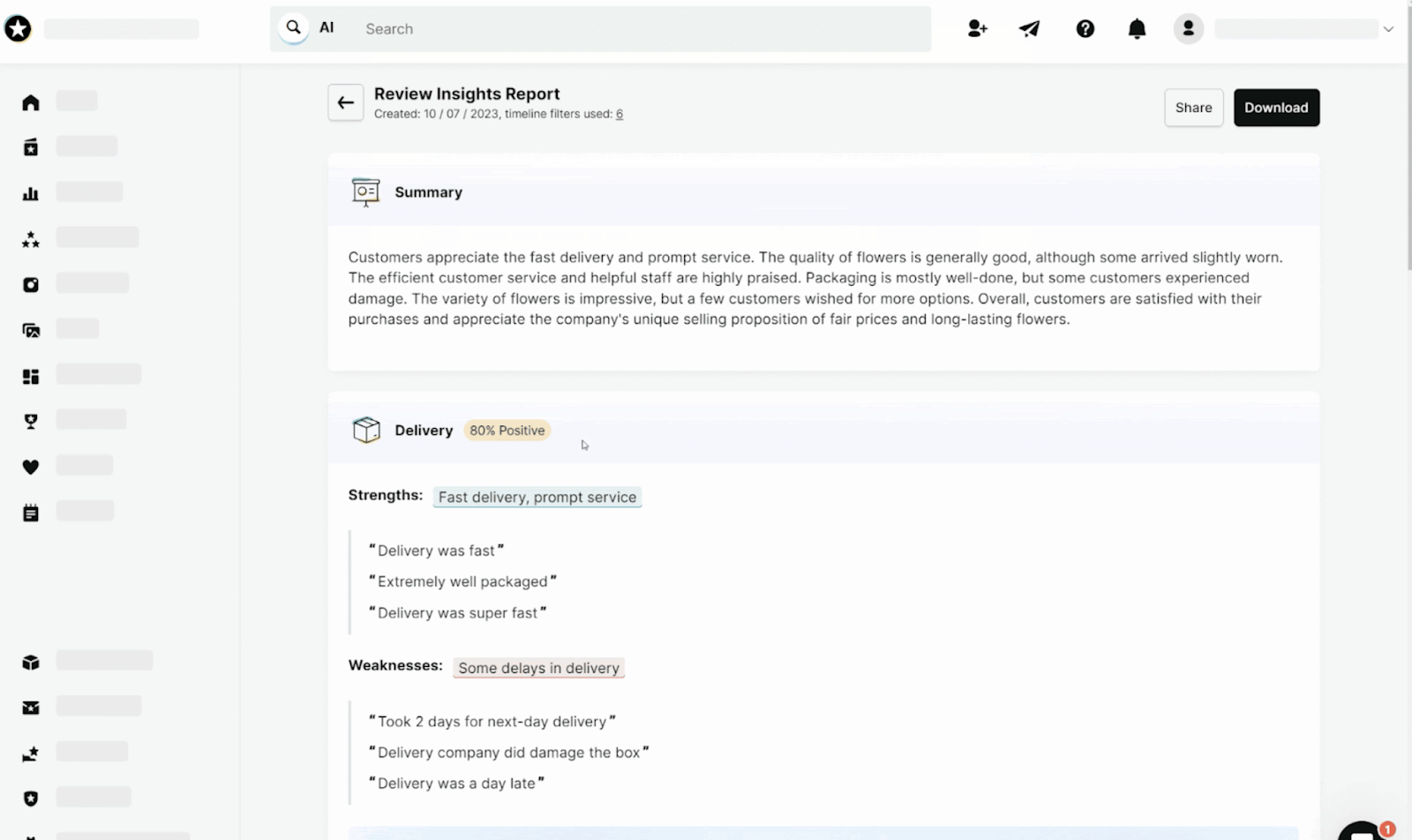
With AI Insights Reports, you can generate a clear, digestible summary of review trends in seconds. Even better, you can share those reports with the relevant team in a single click, keeping everyone aligned on what needs improving.
How you respond to a negative review often matters more than the review itself.
A quick, thoughtful reply can turn a frustrated customer into a loyal one. And it shows future shoppers that you genuinely care.
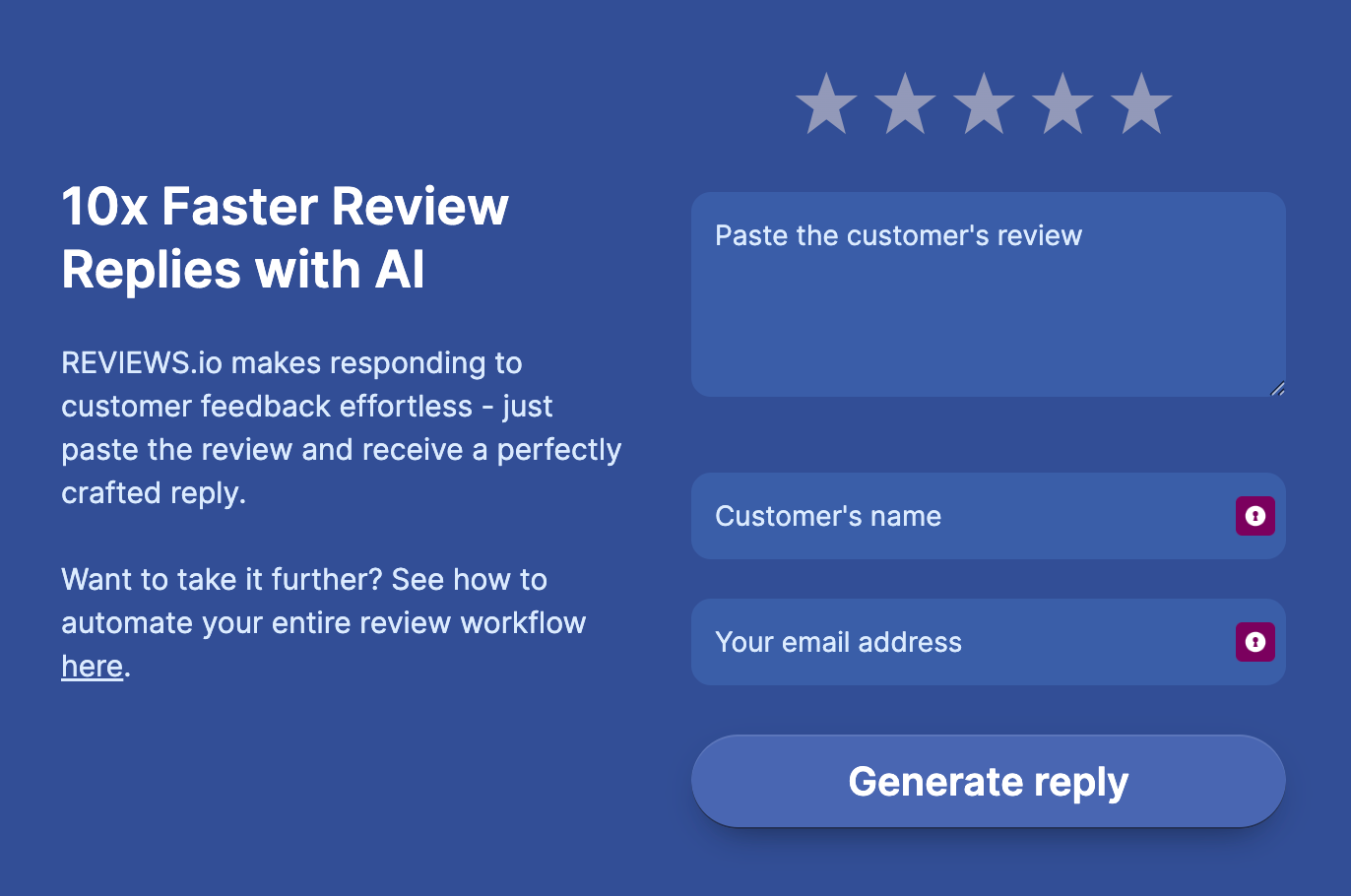
REVIEWS.io Reply with AI drafts warm, empathetic responses that match your tone of voice, helping your team reply faster without sacrificing quality. It means every customer feels heard, even during busy periods.
When you fix a problem, whether that’s updating product info, improving packaging, or resolving an issue directly, it helps to let the customer know.
Closing the loop builds trust and often changes how they feel about their experience.
The REVIEWS.io and Gorgias integration lets your support agents manage reviews right alongside tickets, keeping everything connected.
Once an issue is resolved, you can politely ask the customer to update their review - and many will, especially after a positive interaction.
Negative reviews aren’t something to fear. They’re one of the most honest, impactful tools you have for improving the customer experience.
When you act on what customers tell you, you build a business that solves problems faster, communicates better, and continuously raises the bar.
Ready to turn customer feedback into real business impact?
Start using REVIEWS.io to uncover insights, improve experiences, and turn every review - good or bad - into an opportunity to win your customers’ trust.
In most cases no, you shouldn’t delete negative reviews. Customers expect transparency, and removing valid criticism can damage trust. Only delete reviews that clearly break platform guidelines, such as spam, abuse, or misinformation.
Ideally within 24 hours. A quick response shows customers you’re paying attention and care about resolving issues. Fast replies also prevent frustration from escalating.
Not usually - search engines look for authenticity and recency, not perfection. A mix of positive and negative reviews actually looks more credible. What harms rankings is a lack of reviews, not a few bad ones.
Yes, a thoughtful, timely response can turn a disappointed customer into a loyal one. People value brands that take responsibility and resolve issues quickly. Your reply also shows future customers how you handle problems, which boosts confidence.